


An unwritten expectation can become a practical problem for a new teacher. The colleague who happens to be available may explain one part of the job, while another assumes the newcomer already understands the rest. For Dr. Vivek K P, that uneven introduction to working life has been a recurring reason to put structure around the way education institutions support their staff.
Vivek, HR Manager at Gubbachi Learning Community in Bengaluru, has built his approach around a straightforward concern: committed people need reliable ways to understand their responsibilities and find help. His work connects recruitment, induction, policy and everyday communication, treating each as part of the same employee experience.
The significance of that approach reaches beyond the HR office. In schools and community organisations, staff carry responsibilities that affect other people directly. Vivek sees clarity and fairness at work as conditions that help educators and field teams concentrate on those responsibilities. His contribution lies in making that support more consistent, rather than leaving it to individual goodwill.
Making the welcome dependable
Vivek began his HR career in an international school in twenty seventeen, working across recruitment, payroll and staff welfare. Later roles took him through school environments with different curricula and organisational structures, including Harvest International School and Nalanda Educational Institutions. Across those settings, he encountered a familiar gap between academic ambition and the informal systems supporting the people expected to deliver it.
New colleagues could arrive without a clear induction, while established staff were unsure where to take a concern. In a growing school, departures also made continuity a pressing operational issue. For Vivek, these were connected experiences: the way someone entered an institution, understood expectations and received support could not sensibly be treated as separate administrative events.
His starting point was conversation with staff and school leaders. Listening helped him identify where expectations were unclear before introducing a more structured response. At Harvest, that work included onboarding and retention programmes. He also administered appraisal systems with an emphasis on professional development, placing growth alongside the formal assessment of performance.
The practical distinction was in the purpose of the process. Induction should help a colleague settle into a working community. An appraisal should give people a basis for understanding their development. A procedure becomes more useful when employees understand its place in their working lives.

People systems behind a community mission
Since April twenty twenty-five, Vivek has led HR at Gubbachi Learning Community. The Bengaluru non-profit works on educational inclusion for marginalised children, particularly those from migrant families, alongside community support connecting families with services and entitlements.
That mission gives the people function a specific context. Teachers and community teams need organisational support while responding to children and families whose circumstances can make sustained access to education difficult. Recruitment, communication and staff guidance are part of the infrastructure behind that work; they are not themselves a measure of educational outcomes.
At Gubbachi, Vivek has designed HR handbooks and policy frameworks and led recruitment for academic and operational roles. The intention is to make essential guidance accessible and expectations consistent. In his approach, a handbook matters because it gives employees and managers a common point of reference when a decision or concern arises.
Consistency also involves language. Vivek works in English, Hindi, Tamil, Malayalam, Kannada and Telugu, and uses that range to speak with colleagues in languages in which they feel comfortable. He regards being understood as part of belonging. A technically correct explanation has limited value if the person receiving it cannot confidently use it.
The everyday behaviour behind trust
Vivek looks beyond survey scores when thinking about workplace trust. He pays attention to whether people use the available processes, bring concerns forward early and seek clarification before acting. These are the ordinary interactions through which an institution can learn whether its systems make sense to the people using them.
His emphasis is on connecting formal arrangements with behaviour. A written route for support needs someone willing to respond. Clear expectations need managers who can explain them consistently. Staff confidence depends partly on how those encounters unfold, not simply on the existence of a policy.
“Culture changes when people begin to act differently on an ordinary day.”
Dr. Vivek K P
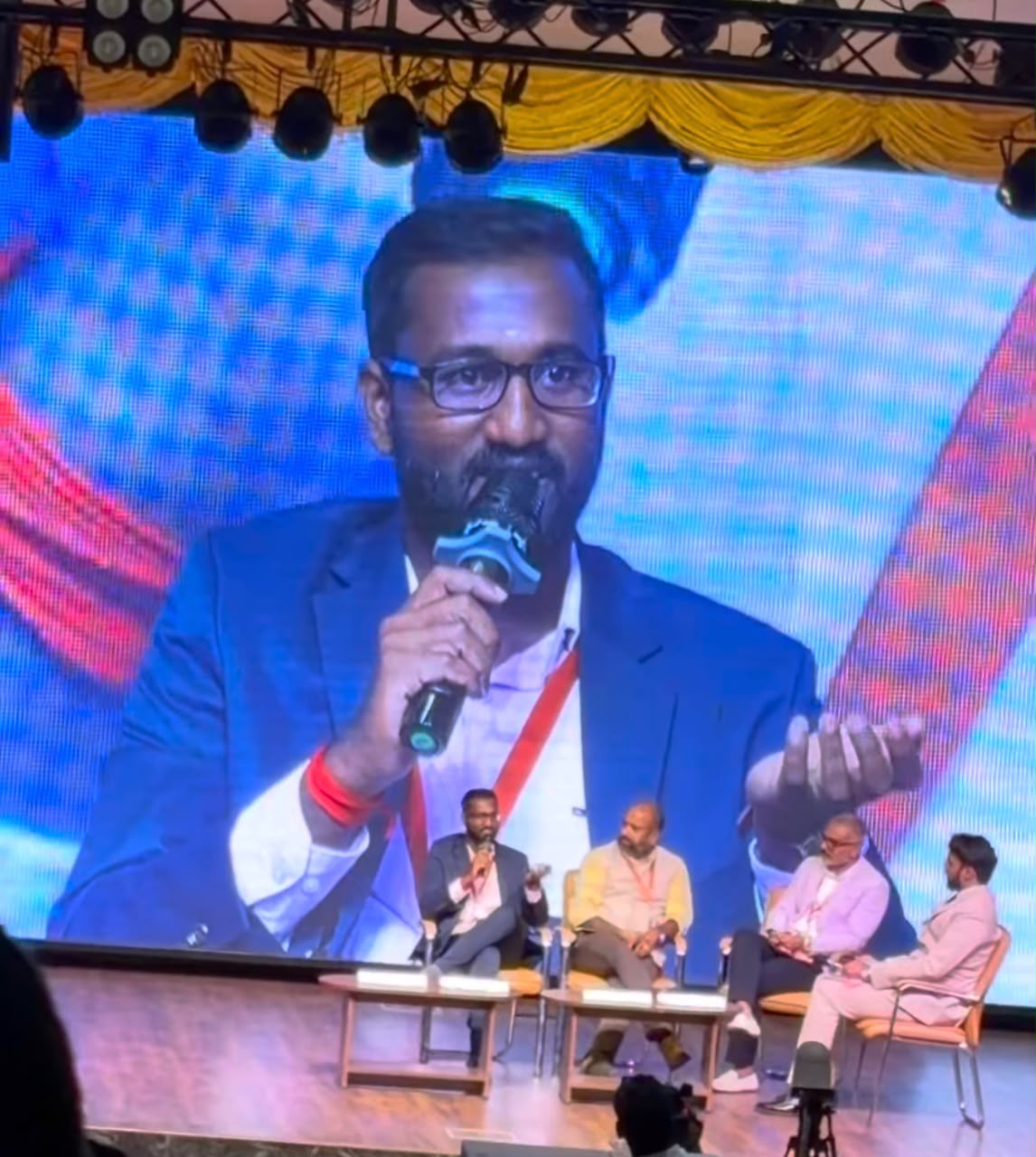
That perspective also shapes his work with emerging HR professionals. In a guest session with HR students, he connected onboarding, statutory benefits and workplace processes with practical responsibilities. Explaining the human consequences of routine HR decisions is central to the lesson he wants future practitioners to carry into their careers.
Building practices that outlast the practitioner
Alongside his Gubbachi role, Vivek is an Academic Advisor at Linfield Skillverse in Edappal, Kerala, and an HR advisor at eeziPG. Across these responsibilities, his stated ambition is to help institutions develop fair and transparent practices that remain dependable when individual people move on.
Vivek is a GreenSignature® Global Impact Honouree. He shares that recognition with colleagues who have helped build the systems around the work. His longer-term aim places responsibility with the institution as well as the HR practitioner: managers who understand their part in workplace culture, employees who know where support sits, and processes that can continue without their original designer.
The lasting test of his approach is therefore institutional. A welcome that can be repeated, a concern that reaches the right person and an expectation that is understood give care a practical form. For education and community organisations, that is a way of making support part of how the work is organised each day.