

A scholarship can pay a school bill. It cannot, by itself, shorten the walk to class, change the demands of unpaid household work or give a mother access to affordable borrowing. Creating Possibilities Nepal has built its approach around those connections, treating a child’s education as inseparable from the circumstances of the family around them.
The Kathmandu-based non-profit works with children, young people and women, with particularly deep roots in Dang District. Its work also extends to Dhading, Kathmandu, Bhojpur and flood-affected Nuwakot. For families facing limited income, insecure livelihoods and barriers to schooling, its programmes bring together support that might otherwise sit in separate institutions.
The organising idea is practical: keeping a girl in education involves decisions made at home, resources available in the community and conditions inside the school.
Education support that reaches beyond school fees
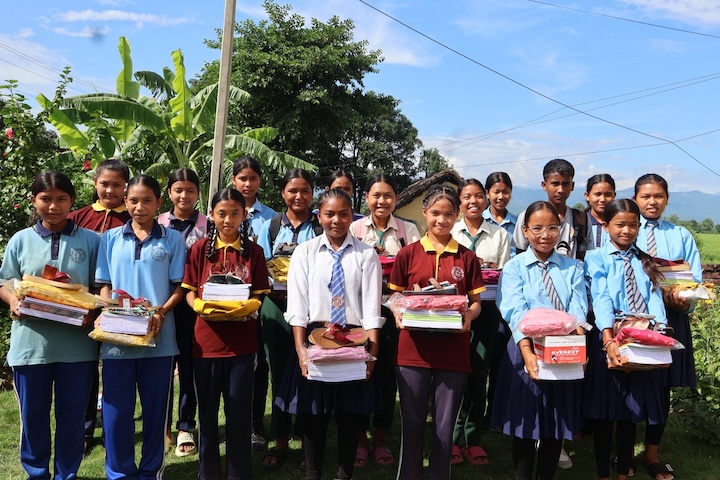
CP Nepal works with families from marginalised communities, including Tharu and other Janajati communities and Dalit households. Its education support combines tuition assistance with learning materials, coaching and counselling. Uniforms, shoes, winter clothing and stationery address costs that can persist even when a place in school is available.
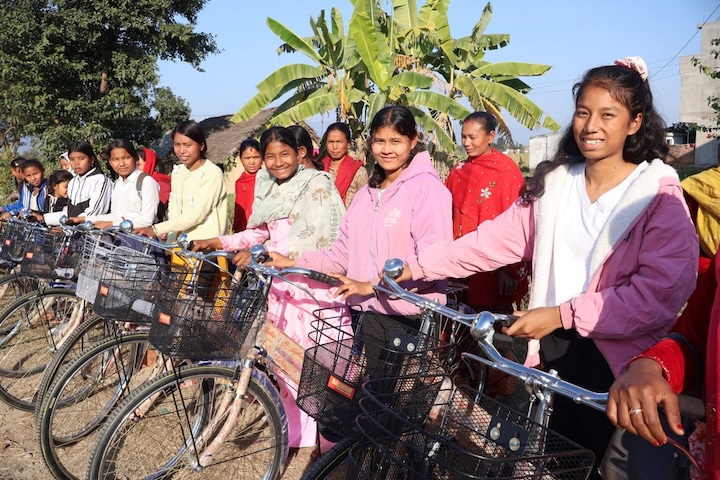
Bicycles tackle another obstacle. For girls balancing long journeys with household responsibilities, transport is part of access to education. CP Nepal’s bicycle distributions sit alongside scholarships because the two address different pressures on the same school day.
This layered approach also involves listening. Staff visit homes and schools to understand circumstances that attendance records alone cannot explain. The purpose is to identify pressures early enough to respond, rather than treating an interrupted education solely as an academic problem.
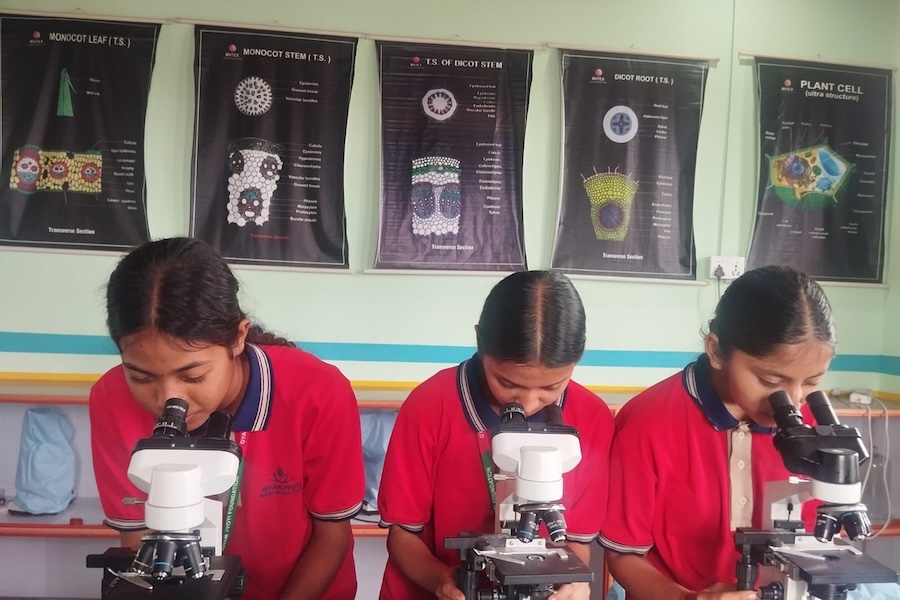
The work extends into adolescence. Through We Create, young people explore life skills, relationships and leadership alongside their formal studies. In April 2026, eighty-six young people completed the programme. The wider educational ambition reaches beyond examinations towards the decisions students will make as they move into further study, work and adult life.
Mothers’ literacy becomes a route into financial decisions
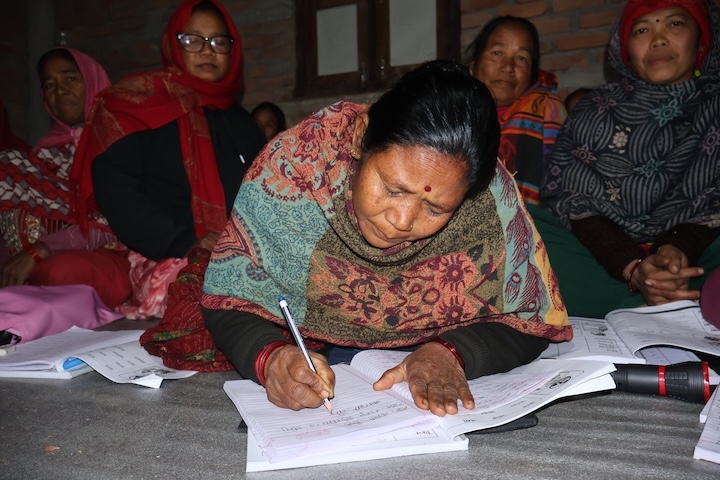
CP Nepal’s women’s programme connects mothers’ groups, literacy and financial education with cooperative membership. Reading, writing and basic arithmetic have immediate uses in understanding savings, keeping records and considering a loan.
Three hundred women completed its four-month literacy and financial literacy programme in April 2026. The course brought together everyday learning and household financial management. Combined with the youth programme, the two graduations marked three hundred and eighty-six completions, across distinct programmes serving different generations.
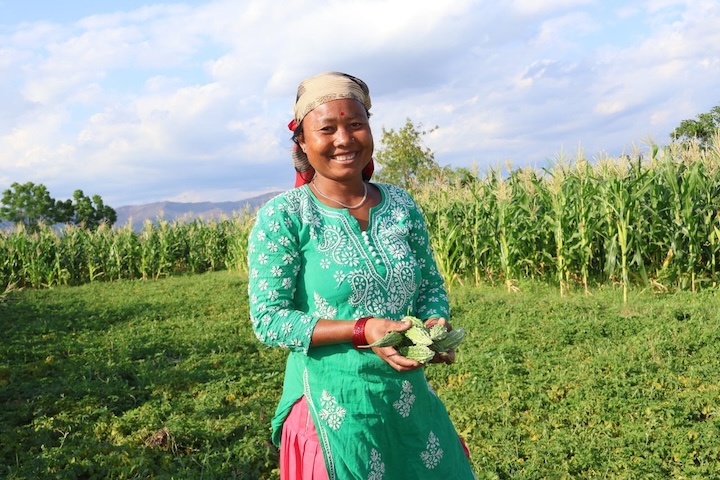
The cooperative gives that learning a continuing institutional setting. Women establish savings rules, maintain records and make lending decisions. Loans support activities including farming, livestock and small businesses, linking financial participation to the livelihoods on which households depend.
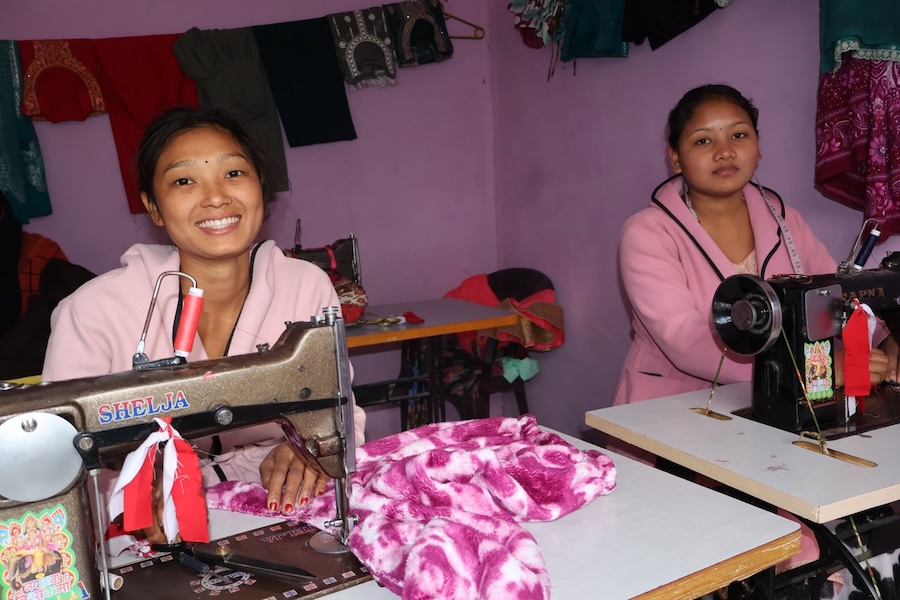
That structure changes who participates in decisions. A mothers’ group is a place to contribute savings and exercise responsibility; the cooperative provides a way to organise those contributions over time. The model brings women into the management of local resources while keeping children’s education within the community’s priorities.
Shared responsibility for schools and community life
School facilities form another part of the approach. CP Nepal’s work includes toilets and water points in Dang and completed water and sanitation facilities in five schools in Dhading. These investments address the physical conditions in which children learn, alongside the financial support that helps them enrol.
Maintaining facilities requires arrangements that last beyond construction. CP Nepal works with local government on handover and upkeep, while school committees and teachers raise local funds for early childhood centres. Responsibility for sustaining services is therefore part of programme design.
Community participation also shapes learning activities. In one Gadhawa school, twenty-eight girls described what made them happy or sad. Their accounts of chores and family pressure guided later discussions. The exercise gave staff a direct way to understand priorities that might be missed by a fixed lesson plan.
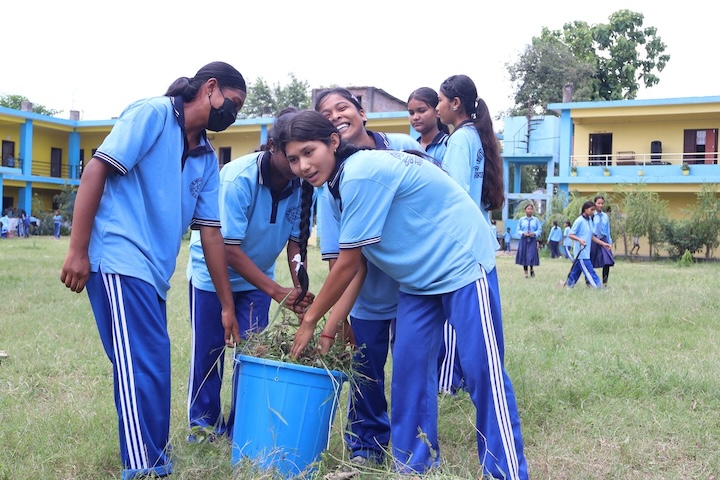
Environmental education follows the same participatory approach. Students, teachers and mothers take part in plastic collection, tree planting and activities centred on reducing, reusing and recycling. The focus places environmental responsibility within familiar settings: school grounds, households and community groups.
Building continuity when funding and family life change
CP Nepal has also had to manage disruption within its own organisation. When a major donor withdrew, it reduced staff and student numbers, prioritised children facing the greatest risk of leaving school and referred others to Her International’s education programme.
The experience gave urgency to a continuing challenge: sustaining support when external funding changes. Diversifying partnerships is one response. Strengthening community savings institutions and locally supported early childhood centres is another, because both create structures through which communities can organise resources themselves.
Her International, which has worked with CP Nepal since 2008, describes a partnership in which CP Nepal leads local delivery while its Canadian partner mobilises funding and international support. The arrangement combines international resources with decisions grounded in local relationships.
CP Nepal’s next priorities include completing school sanitation work, strengthening technical support for the cooperative and developing further education and vocational pathways for young people. Keeping flood-affected children in school is also part of its continuing work.
The lasting test will be what those arrangements enable over time: children completing school, women sustaining their participation in financial decisions and facilities remaining useful after handover. CP Nepal’s approach places those responsibilities close together, recognising that a girl’s opportunity to learn is shaped by the strength of the institutions around her.