

A safe place to stay can answer an immediate need without resolving everything that has placed a child at risk. Education may have been interrupted. Medical treatment may be needed. Family relationships may require careful support. The practical work of protection lies in addressing those needs together.
For the Child Rights Foundation in Syria, that connection runs through programmes spanning temporary care, psychosocial support, education and household assistance. Its work across Damascus and Rural Damascus extends from children without family care to students pursuing university qualifications and families struggling with essential living costs.
There is also an environmental strand. Paper collected for recycling generates resources for the Foundation’s social programmes, linking an everyday waste stream to the continuity of care.
Child protection in Syria through connected services
The Foundation’s protection work responds to different circumstances rather than treating vulnerability as a single condition. Its programmes include temporary care for children deprived of family care, support for families in Eastern Ghouta, assistance around family separation and rehabilitation services for children in conflict with the law.
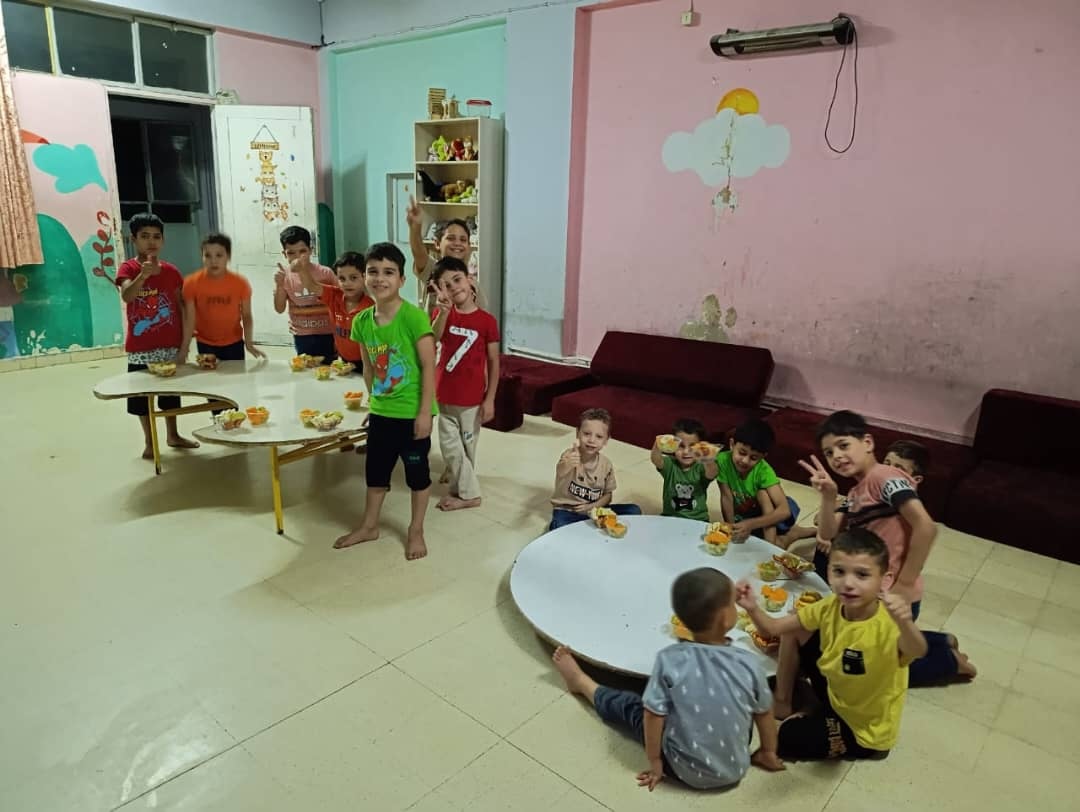
During twenty twenty-five, its temporary care centre for boys delivered case management to one hundred and thirty-seven children. Eighty-one accessed educational support, while eighty-seven received medical care. Family follow-up and reintegration support reached forty-seven families.
These services address different parts of a child’s life. Case management provides a structure for responding to individual needs, while learning, healthcare, recreation and family work give that response practical substance.
The girls’ temporary care centre similarly combined education and healthcare with psychosocial support, creative activities and legal assistance. Sixty girls received case management, and seventeen accessed legal assistance. Three girls were reunited with their families during the year.
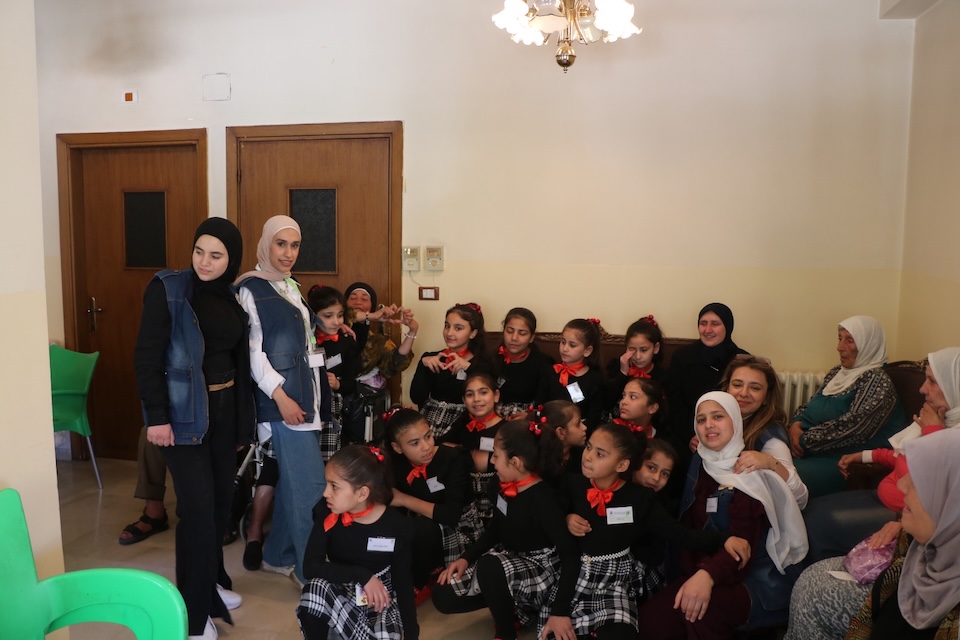
Reunification is a specific outcome within a wider care programme. Alongside it sits the daily work of maintaining access to services and supporting children whose circumstances require continuing attention.
Supporting children within family relationships
In Eastern Ghouta, the Aminin Project brings educational and psychosocial services together with support for caregivers. During the year, one hundred and eighty-eight children accessed educational support and sixty-eight received psychosocial support. Ninety-three caregivers attended sessions on child protection and positive parenting.
The inclusion of caregivers matters because a child’s experience of support continues beyond a centre or classroom. Parenting sessions create space to address the relationships and everyday decisions that shape family life.
The Family Meeting Project addresses another setting: separation and the risk of family breakdown. Working through the Family Meeting Center under the Ministry of Justice, it combines counselling, awareness activities, psychosocial support and recreation.
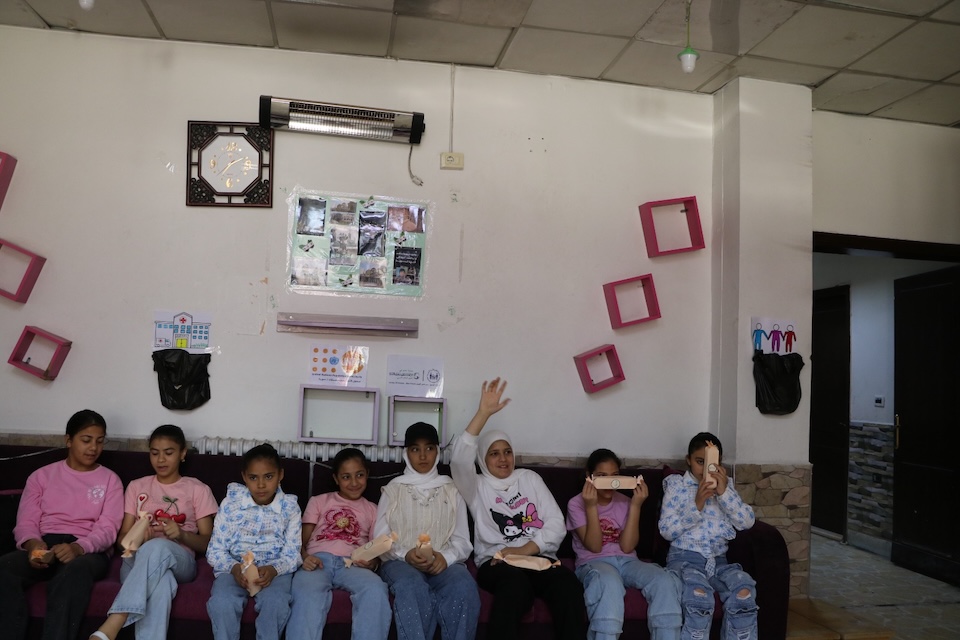
Together, these programmes extend protection into family relationships, giving attention to the adults and circumstances surrounding a child as well as to the child’s immediate needs.
Keeping education within reach
The Foundation’s education programme spans examination preparation, digital learning, university support and teaching practice.
Twenty students received remedial courses for intermediate and secondary school national examinations in twenty twenty-five. A further forty-seven accessed online educational platforms without charge.
At university level, support reached one hundred and thirteen students. Assistance included tuition fees, professional training and specialist study materials, alongside food, clothing, medical and cash support. Equipment included laptops and materials for students in medicine, engineering and dentistry.
This breadth recognises that academic participation depends on more than admission or tuition. A student may also need the equipment required for a course and help with the living costs that make continued study possible.
Work within schools complemented assistance to individual learners. Thirty-two teachers from five schools received professional and pedagogical training. One school was rehabilitated, with sanitation facilities restored, furniture repaired and classrooms and other facilities repainted.
These interventions address both access to learning and the conditions in which it takes place.
Household support as part of care
The family support programme places regular assistance alongside responses to particular needs. During twenty twenty-five, monthly cash sponsorships supported nine hundred and ninety-four orphaned children, while one hundred and eleven vulnerable families received regular financial assistance.
Food assistance reached one thousand nine hundred and eighty-two orphaned children and one thousand two hundred and eighty-four vulnerable families. Clothing distributions, household essentials and medical assistance formed further parts of the programme.
Its structure reflects a practical understanding of household pressure. Food, clothing, treatment and a functioning home affect the conditions in which children grow and study. Support across those areas gives families several forms of assistance rather than relying on a single intervention.
Paper recycling with a social purpose
The Foundation’s paper recycling initiative connects environmental activity with funding for child protection, sponsorship and family services.
Collection points across communities and educational institutions feed into a system of collection, transport and delivery to recycling companies. Monthly volume reporting and monitoring of collection points support its operation.
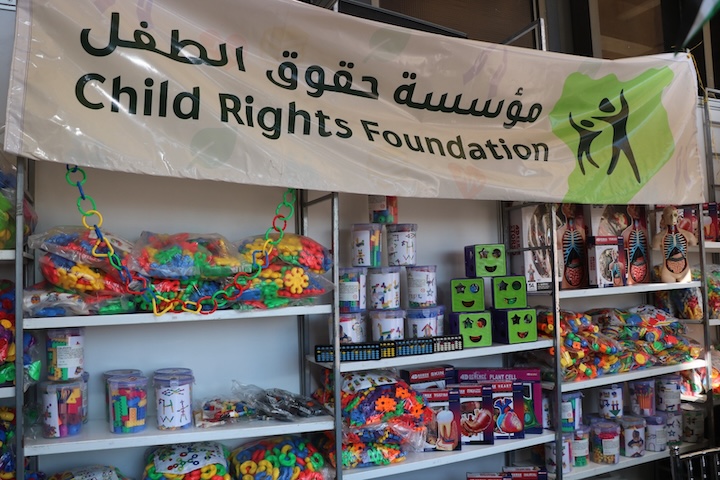
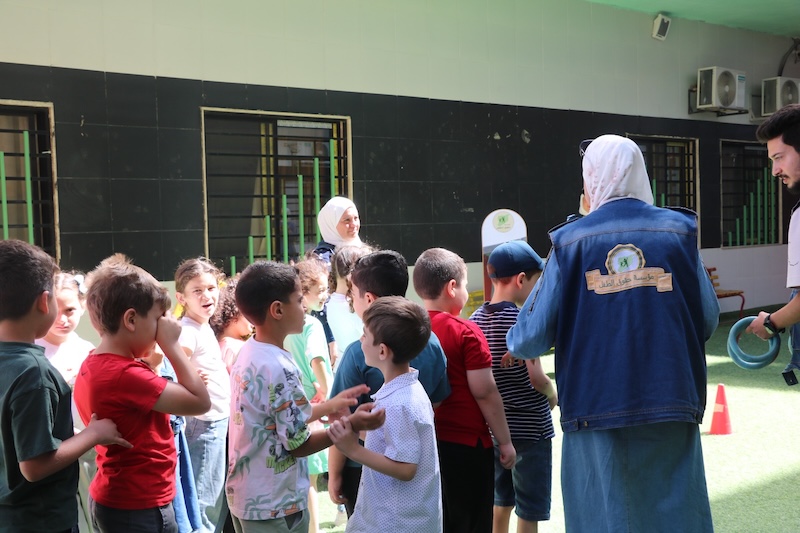
The model gives discarded paper a financial role in social care. In April twenty twenty-six, coverage of the Foundation’s participation in a Damascus children’s book fair described old paper and notebooks being collected and sold for recycling, with proceeds supporting its services.
The significance lies in the connection between these strands of work. Shelter addresses immediate safety; education sustains opportunity; family assistance supports daily living; recycling contributes resources. Across them, the Foundation’s approach gives practical form to the idea that a child’s care depends on the surrounding conditions of everyday life.