A hospital appointment is only one part of getting a child treated. For a family travelling to Mumbai, care also requires somewhere to sleep, food through an extended stay and transport between accommodation and hospital. These needs sit outside the consultation room, yet they can determine whether treatment is within reach.
Child Help Foundation’s Arogya Sadan addresses that part of the journey. It provides free accommodation, meals and transport for children and families travelling for treatment, including care for thalassaemia. The intervention recognises a practical reality: access to medicine depends partly on whether a family can manage life around it.
That understanding runs through the foundation’s wider work. Medical assistance sits alongside nutrition, education, sanitation and support for mothers. Together, these programmes reflect an approach to childhood in which health, learning and family circumstances remain closely connected.
Making treatment possible beyond the hospital
Child Help Foundation began working in 2009 and formally registered in 2010. Its founders, Rajendra Pathak, Sunil Varghese and Jugender Singh, developed an organisation focused on children whose families lacked resources for essential care and opportunities. Health, food, education and shelter remain central to its work across India.
Its Emergency Medical Programme works with hospital speciality departments to identify children needing financial support for treatment. Referrals also arrive from families, hospitals and other non-profit organisations. Fundraising helps meet medical expenses, while follow-up continues during recovery.
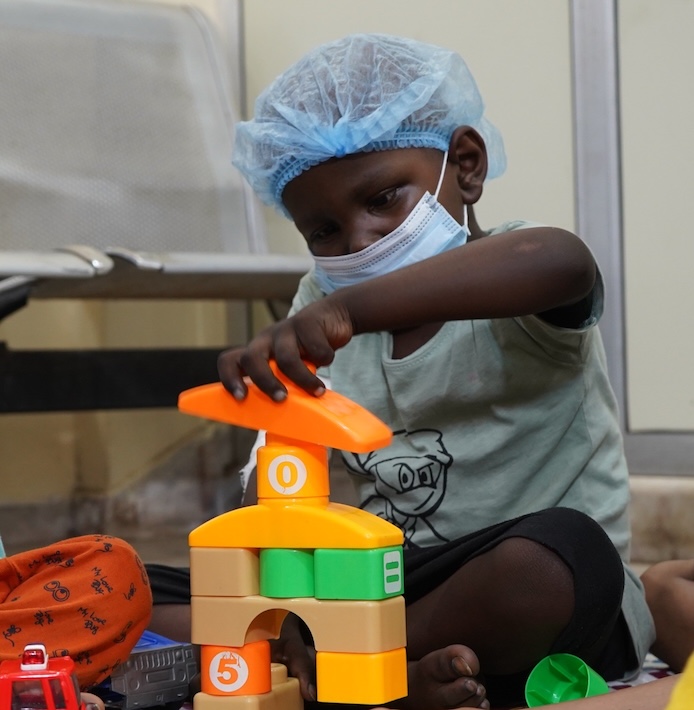
Arogya Sadan extends this approach into the daily experience of treatment. In Mumbai, accommodation and travel can add substantial demands to an already difficult period. Providing a place to stay and transport to hospital addresses those demands directly.
The service also includes interactive learning for children during their stay. This gives education a place within a period otherwise organised around medical needs. A child undergoing prolonged treatment remains a learner, with interests and routines that deserve attention alongside clinical care.
The significance lies in the design of the support. Financial assistance addresses the hospital bill; accommodation, food and transport address the circumstances in which treatment happens. Both belong in a practical account of access.
Food and the dignity of everyday care
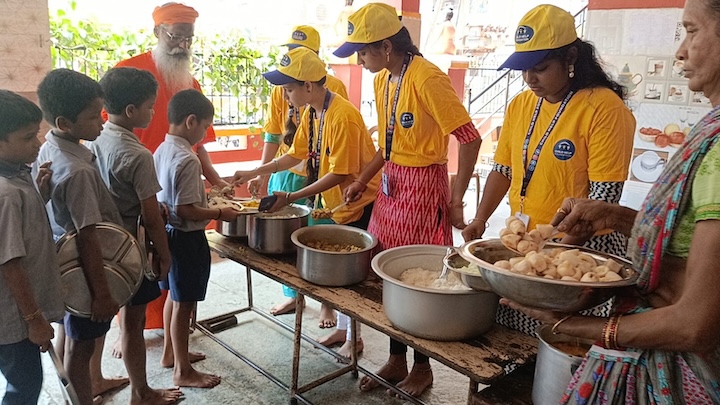
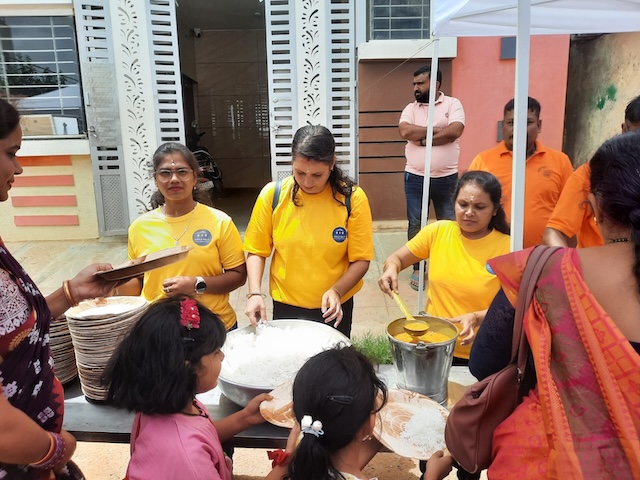
Nutrition is another part of the foundation’s work with children and communities. In Palghar, Maharashtra, its collaboration with ISKCON provides meals through an initiative intended to address hunger and malnutrition. Food distribution offers a direct response to an immediate household need.
A meal has a different timescale from a medical procedure or a school infrastructure project. It is needed again the next day. That makes consistency an essential consideration in nutrition programmes, alongside the ability to organise preparation and distribution.
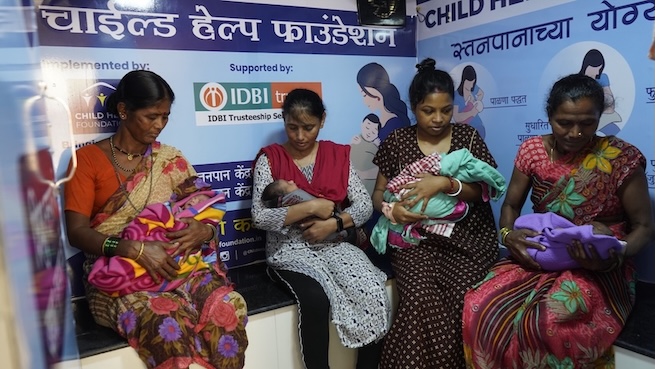
For mothers with infants, the foundation addresses a different obstacle through its Baby Feeding Centres. These offer dedicated spaces for breastfeeding in public settings, giving mothers somewhere to sit and feed their children with privacy and comfort.
Such facilities bring attention to a need easily overlooked in the design of shared spaces. An infant’s feeding needs continue during travel, appointments and everyday journeys. Making room for them is a concrete expression of inclusion.
Across these interventions, dignity takes a physical form: a meal served, a seat available, a room in which a family can stay.
Keeping learning and safety within reach
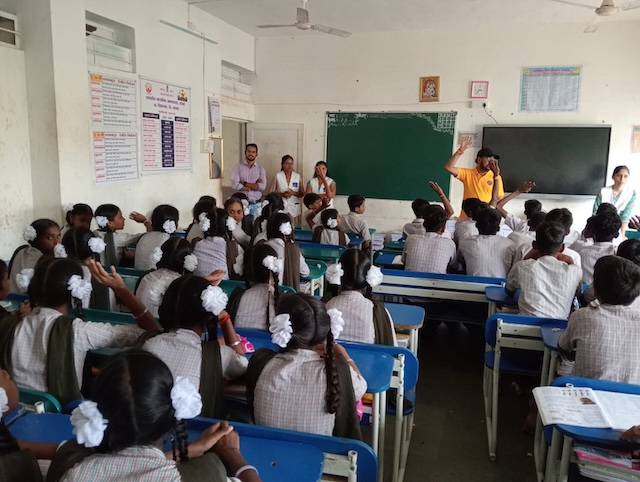
The foundation’s education work includes stationery, Mini Science Centres and computer laboratories. These provide different forms of support: materials for everyday classroom participation, equipment for practical exploration and access to digital learning. Its assistance to child care institutions also includes school fees and educational resources.
The connection with healthcare is especially clear in its Swastha Se Shiksha programme, which supports continued education for children whose treatment interrupts schooling. Recovery and learning are treated as related concerns in a child’s development.
The same attention to participation appears in its sanitation work. Child Help Foundation installs water purifiers, supports toilet facilities and conducts menstrual and reproductive health sessions, including work in Ashram schools in Jawhar and Palghar. Infrastructure and education operate together: facilities need upkeep, and young people need information they can use.
UNICEF India places water, sanitation and hygiene within the wider conditions supporting children’s survival, growth and development. That context helps explain why these services belong alongside health and education in a child-focused organisation’s work.
Safety receives attention through school sessions on the Protection of Children from Sexual Offences framework. The foundation’s activities also cover gender awareness, adolescent health and self-defence. These programmes introduce information and discussion into settings where children and adults can engage with questions of protection and equality.
A wider responsibility to community life
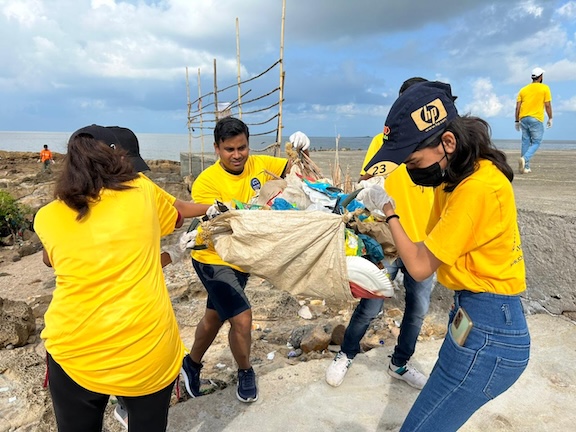
The foundation’s activities extend to volunteer beach clean-ups, including work across Maharashtra, Kerala, Andhra Pradesh and Odisha. Volunteers collect waste through organised drives with other organisations and community participants.
This environmental work broadens the setting of its social mission. Children grow within communities and shared environments; the condition of those places is part of the world they inherit.
Yet the clearest expression of Child Help Foundation’s approach remains close to everyday experience. A family needs accommodation while a child receives treatment. A mother needs somewhere to feed her infant. A pupil needs learning materials, drinking water and a usable toilet.
Addressing each need requires practical organisation. Connecting them requires an understanding of how families live. The foundation’s work draws attention to that connection—and to the ordinary provisions on which access, participation and dignity so often depend.