

An older woman caring for her granddaughter needed help with more than school expenses. The child’s parents had died, household income was limited, and arthritis complicated the grandmother’s daily life. Education, food, health and caregiving had become parts of the same problem.
DUA-Kenya’s response combined school support and food assistance with a medical referral and help to establish a small source of income. At the grandmother’s request, the organisation purchased chickens, providing eggs for household nutrition and sale. It also worked to involve other relatives in supporting the family.
The intervention illustrates the thinking behind Dumisha Ubora Afrika–Kenya: a child’s welfare depends partly on the circumstances of the people providing care. Supporting that child can therefore require work across several generations.
Family strengthening in Kenya begins at home
DUA-Kenya’s founding story centres on a child describing hunger, interrupted schooling and the pressures facing her mother, who was caring for children across generations. The account brought together problems that are often addressed separately: bereavement, unemployment, family conflict and the cost of education.
The organisation developed around those connections. Led by chief executive Penelope Lemaron, it works through programmes supporting children, young people and women, older people, families and communities. Its emphasis on family resilience runs through its public mission and programme structure.
That approach has a wider relevance. UNICEF’s regional work on preventing family separation brings together parenting support, social protection, case management and community engagement. It recognises that poverty, disability and violence can place overlapping pressures on care.
For DUA-Kenya, the practical task is to identify which pressures need attention in each household, then assemble a response around them.
Beyond the school bag
Education support includes school fees and levies, uniforms, stationery and sanitary products. These are immediate, tangible interventions, directed at expenses that can interrupt a child’s schooling.
The organisation’s child support work also extends to children with disabilities and their caregivers, including assistance to access therapy, support aids and referrals. Community training addresses positive parenting, child protection and harmful practices.
These activities operate at different levels. A uniform meets an individual need. Parenting training works with the adults responsible for everyday care. Community awareness seeks to improve the environment in which children grow up.
DUA-Kenya also promotes alternative family care, including kinship care, foster care, guardianship and adoption. Its public programme descriptions place this work alongside education and community support, reflecting an understanding that children need both access to learning and dependable care beyond the classroom.
Responding to a household crisis
One family case involved a young father caring for two small children after separation from his partner. He had lost his job, faced rent arrears and struggled to find work while arranging care for the children.
DUA-Kenya’s intervention began with documenting the case and providing food. It then included family mediation, guidance on parental responsibilities, a parental agreement, assistance to start an income-generating activity and follow-up.
The sequence matters. Food addressed an urgent need, while the other steps dealt with responsibilities, childcare and the means to support the household.
The case also illustrates the demands of family support work. A financial crisis can quickly become a care crisis. An agreement between parents may need practical support before it can function in daily life. Follow-up provides a way to revisit the family’s circumstances after the initial intervention.
Building a livelihood after violence
In another case, DUA-Kenya supported a young mother who had left an abusive marriage and was raising two children. She completed three months of training in catering and food production.
A separate contribution from a well-wisher enabled her to acquire food preparation equipment. She subsequently began operating a small business to support her household.
The distinction between those contributions is important: DUA-Kenya provided training, while another supporter helped her obtain the equipment needed to use it.
Her experience illustrates how several forms of assistance can connect. Skills development created a practical foundation; access to equipment helped turn that training into work. For a parent responsible for young children, the value of such support lies in its usefulness within the realities of daily care.
A calendar for community work
Alongside its programmes, DUA-Kenya organises recurring initiatives focused on education, older people, women, young people, schools, environmental conservation and family support.
Soma and Shule Bora focus attention on learning and school needs. Wazee Tabasamu supports older people. Unda Boma brings together family counselling and mediation, while Ardhi Month involves environmental conservation.
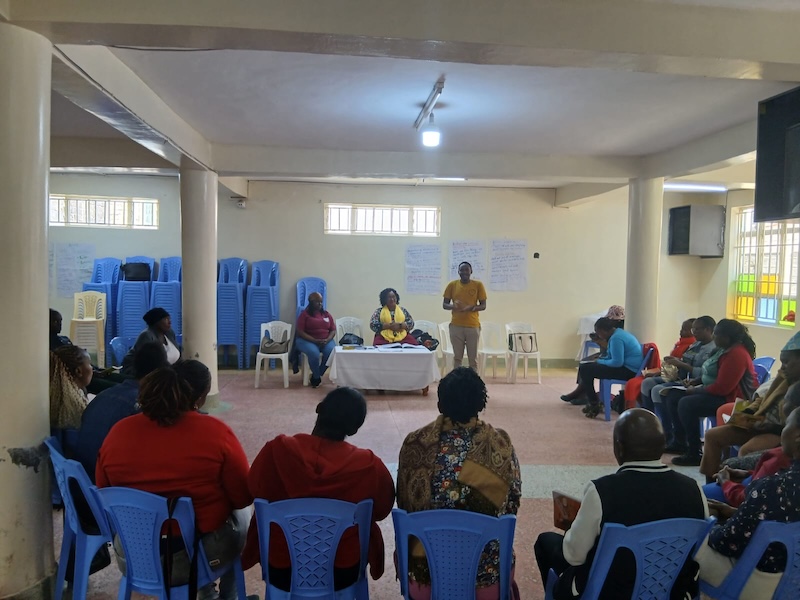
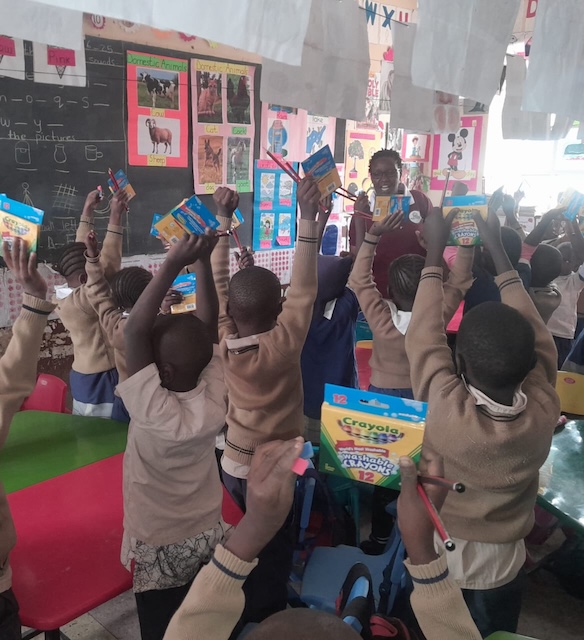
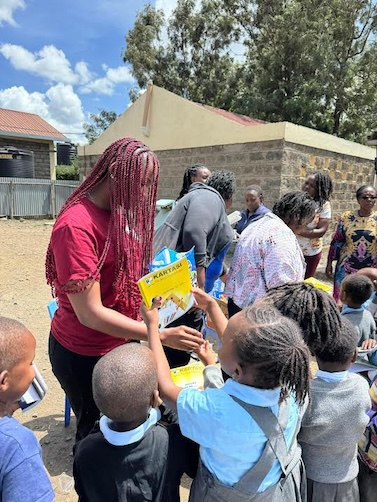
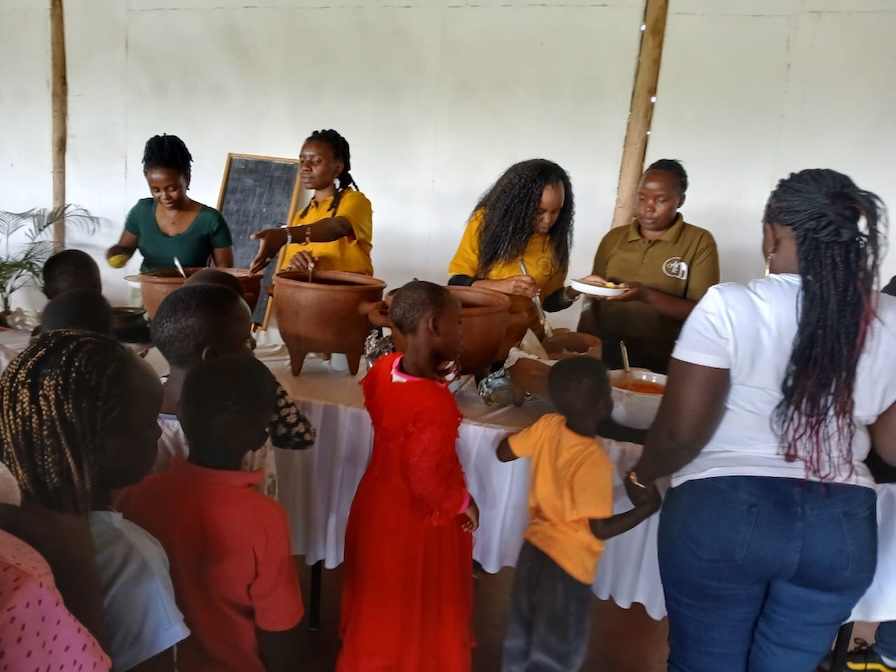
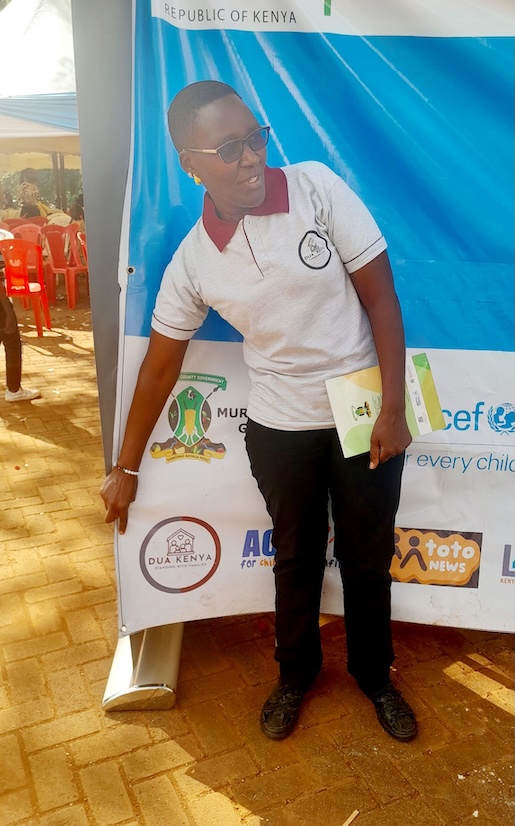
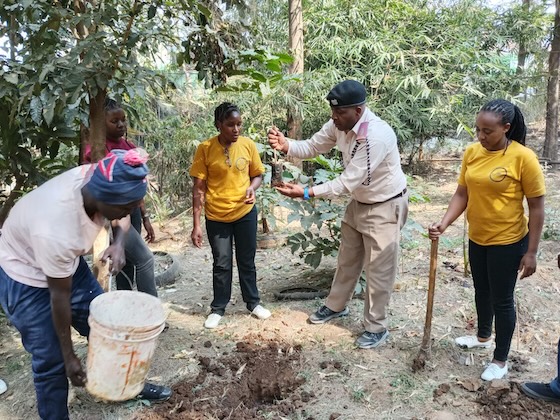
The photographs accompanying this feature reflect that range: classroom materials, parenting training, shared meals, partnership activity and tree planting with local administration.
Together, these activities give the organisation recurring opportunities to engage communities. Their significance rests in how they connect with continuing support for children and caregivers.
Sustaining the work
Limited funding remains a central constraint. DUA-Kenya combines partnerships, donations, grant-seeking and volunteer involvement with income-generating activities, including tree nurseries.
Its ambitions include extending services and strengthening its staffing and financial base. Those plans depend on resources that can sustain the work between individual events: case follow-up, referrals, training and contact with families.
The grandmother’s chickens offer a modest but revealing example of the organisation’s approach. They were a response to her preference, her household’s food needs and the possibility of earning something within her circumstances.
A child’s education can depend on precisely these everyday arrangements: someone able to provide care, food available at home, manageable school expenses and a livelihood that helps the household keep going.