

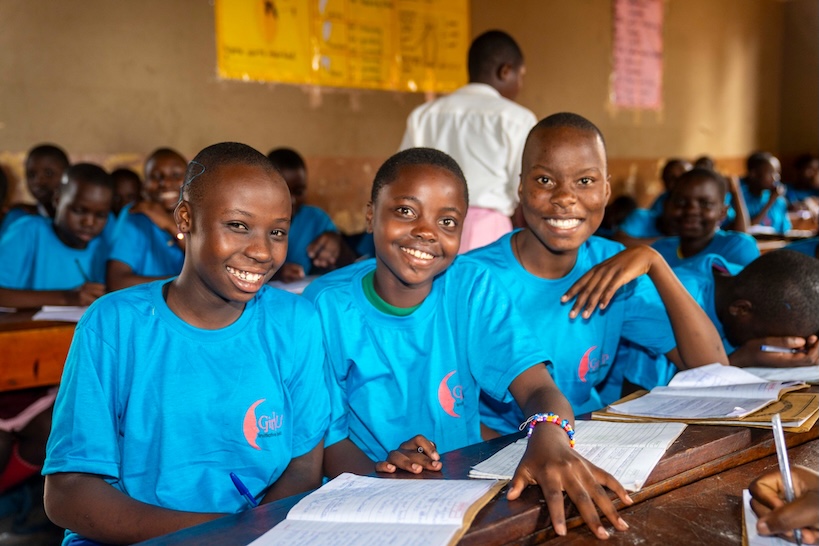
For many girls, remaining in education is not simply a matter of ambition or academic ability. Financial pressures, unequal social expectations, limited access to reliable information and the absence of supportive environments can determine whether education leads to meaningful opportunity.
Founded in 2012, Girl Up Initiative Uganda (GUIU) has developed an approach that treats these barriers as interconnected rather than isolated problems.
Its work extends beyond the classroom, engaging boys, teachers, families and community leaders while creating pathways into mentorship, practical skills and economic participation.
Education That Builds Agency
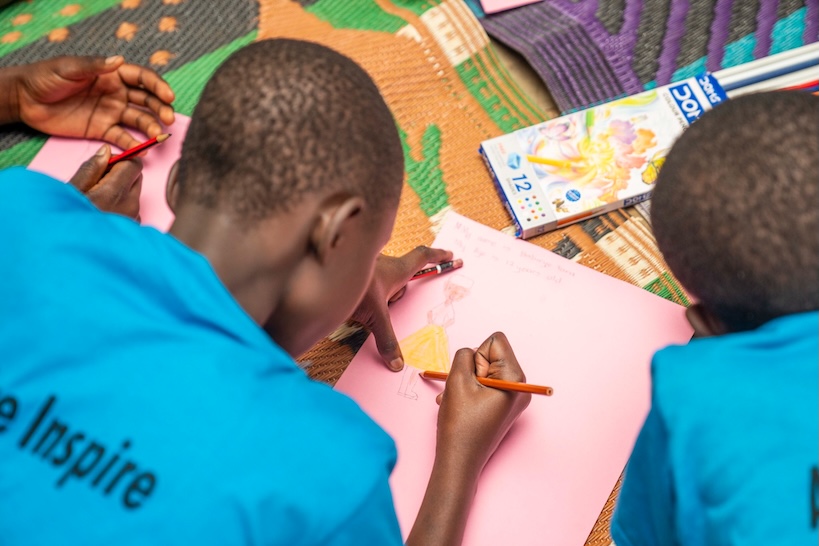
At the centre of GUIU’s educational work is the Adolescent Girls Program, which brings together leadership, confidence, sexual and reproductive health and rights, gender equality, relationships and practical life skills.
Rather than focusing exclusively on information, the organisation is strengthening participatory and play-based learning to help adolescents practise what they learn.
Its Boy Champions Program complements this approach by engaging boys in discussions about respectful relationships and harmful gender norms. The intention is to address not only the challenges girls encounter, but also the social environments in which those challenges develop.
From Participation to Leadership
One of GUIU’s most distinctive initiatives is the Big Sisters Network.
Former programme participants return as mentors, supporting younger girls who are navigating educational and personal challenges. This creates continuity between generations of participants and gives young women opportunities to contribute to the communities that supported their development.
The model reflects an important shift in development practice: young people are not only recipients of assistance, but can also become active contributors to change.
Connecting Skills With Economic Opportunity
Education alone does not guarantee access to employment or financial independence.
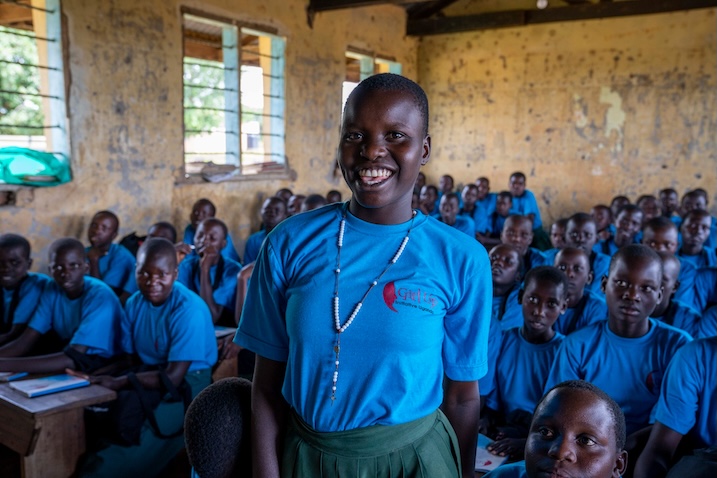
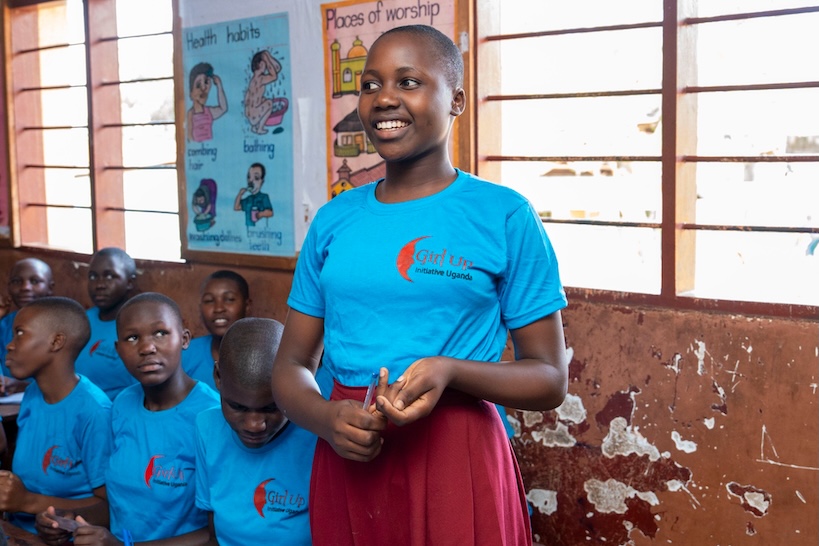
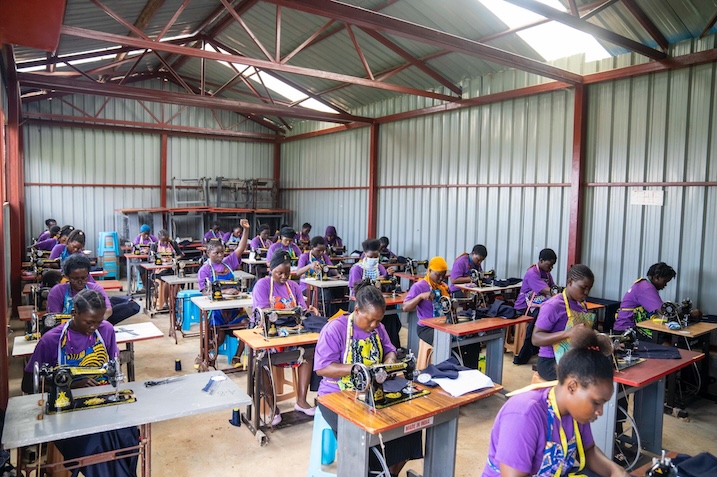
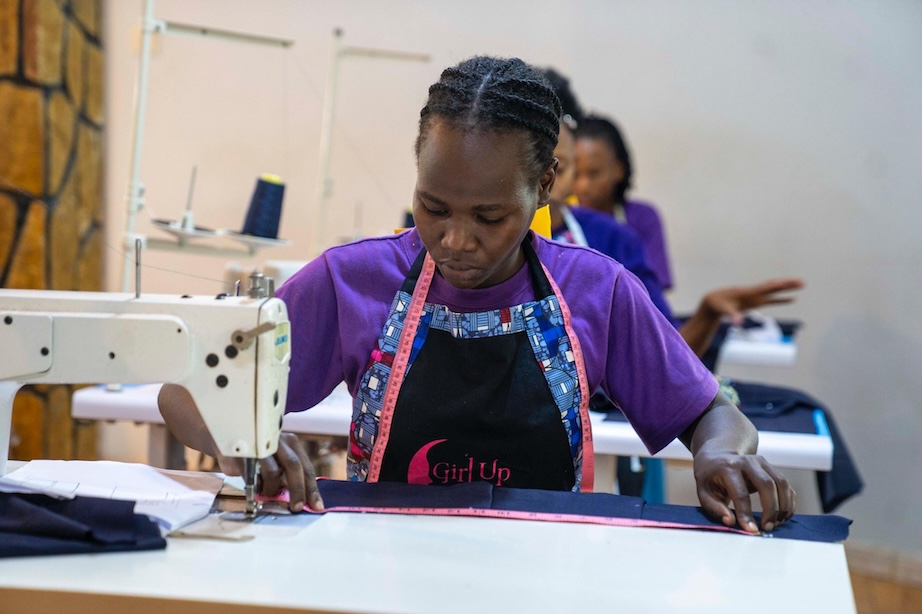
Through Mazuri Designs Hub, GUIU provides young women with fashion and design training, entrepreneurship education, digital literacy and employability skills.
The initiative connects practical learning with potential pathways into employment and enterprise, extending the organisation’s work beyond adolescence into economic participation.
Growing Reach, Sustaining Quality
GUIU’s education, agency and workforce development programmes have reached more than one hundred thousand adolescents in schools, alongside tens of thousands of young people and community stakeholders.
Its programmes expanded from twenty-five schools in 2025 to forty-five schools in 2026, alongside scholarship support for girls facing financial barriers.
Yet expansion brings operational demands. The organisation identifies long-term funding, trained personnel, consistent programme delivery and effective monitoring among its continuing challenges.
Its next phase places emphasis on strengthening school partnerships, organisational systems, mentorship and sustainable funding approaches.
The Wider Meaning of Opportunity
GUIU’s work illustrates why adolescent development cannot be separated from the environments in which young people live.
Knowledge matters, but so do supportive teachers, respectful relationships, financial access, practical skills and opportunities to exercise leadership.
By connecting these elements, Girl Up Initiative Uganda is working towards a model in which education becomes more than attendance or attainment. It becomes part of a longer pathway towards agency, participation and economic opportunity.