

A community’s struggle became a mission
In Northern Uganda, the distance to a water source can shape an entire day. For a child, it can mean arriving late to school. For a parent, it can mean hours spent collecting water instead of earning a livelihood. For a community, an unsafe water source can contribute to preventable illness and long-term vulnerability.
These challenges became especially pronounced in parts of the Lango region following more than two decades of conflict. Damaged water infrastructure, limited health services and economic hardship placed additional pressure on rural households.
Growing up amid these circumstances, Oscar Ogole witnessed the difficulties faced by families in Kole District, including girls travelling considerable distances to collect water. In 2013, Ogole founded Community Development Shield Uganda as a youth volunteer initiative. Its earliest activities included cleaning water sources, conducting school hygiene awareness sessions and supporting village health teams.
Over time, the initiative developed into a registered community-based organisation with a wider mission: helping communities become healthier, more resilient and better equipped to sustain essential services themselves.
Beyond building wells: Making water access sustainable
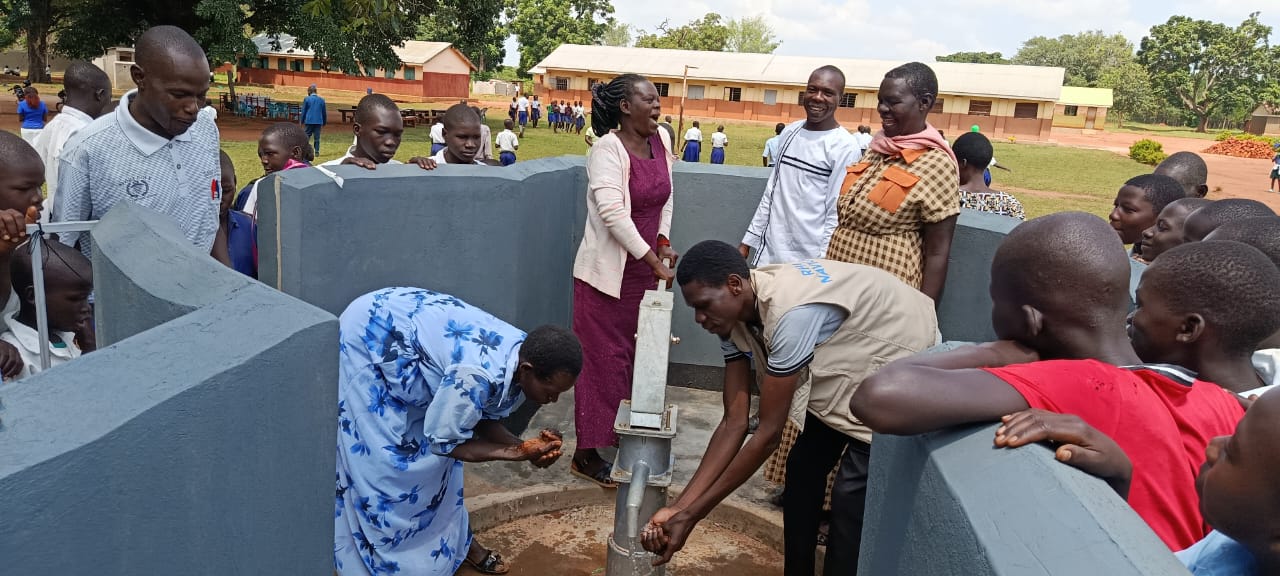
For Community Development Shield Uganda, improving access to safe water involves more than constructing infrastructure. Its work includes protecting spring wells, rehabilitating boreholes and establishing water-user committees to support their upkeep.
The importance of maintenance became clear when two of the organisation’s earlier wells stopped functioning. CDSU responded by adding youth training in water-point repair, community savings arrangements for replacement parts and closer collaboration with local government departments.
The lesson was practical: infrastructure can deliver lasting value only when communities have the knowledge, resources and responsibility to maintain it.
Restoring dignity through school sanitation
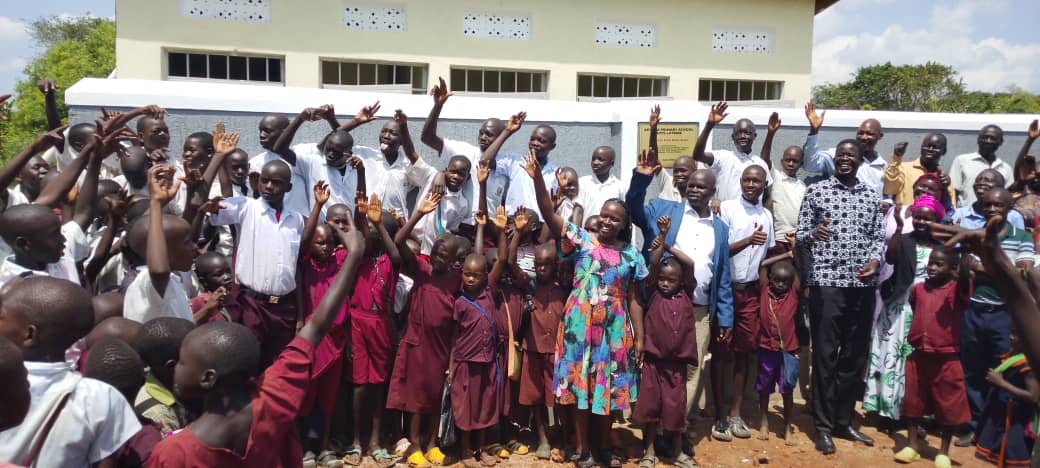
Water and sanitation also shape children’s educational experiences. CDSU works with schools in Kole District on hygiene promotion, sanitation monitoring and improvements to water and toilet facilities. Its approach includes attention to menstrual hygiene, handwashing and safer everyday practices.
For adolescent girls, appropriate sanitation facilities can be especially important to dignity and participation in school. For all pupils, a clean learning environment is part of the foundation for health and education.
A local example of change
In Amoilela Village, residents previously relied on an unprotected spring shared with animals. CDSU describes protecting the water source and helping establish a local committee to manage it. The example illustrates the organisation’s emphasis on linking physical improvements with community stewardship.
The organisation’s programmes also encompass adolescent health information, youth entrepreneurship, practical technical skills, sustainable farming and environmental protection. These activities recognise that rural health and livelihoods are closely connected.
Community participation as a foundation for resilience
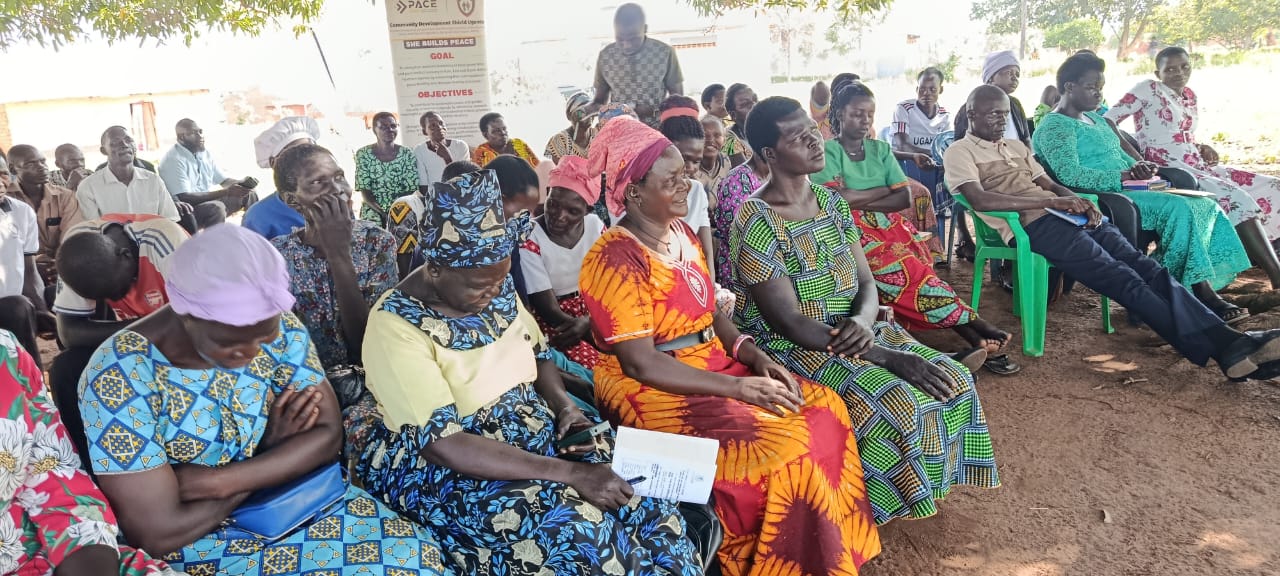
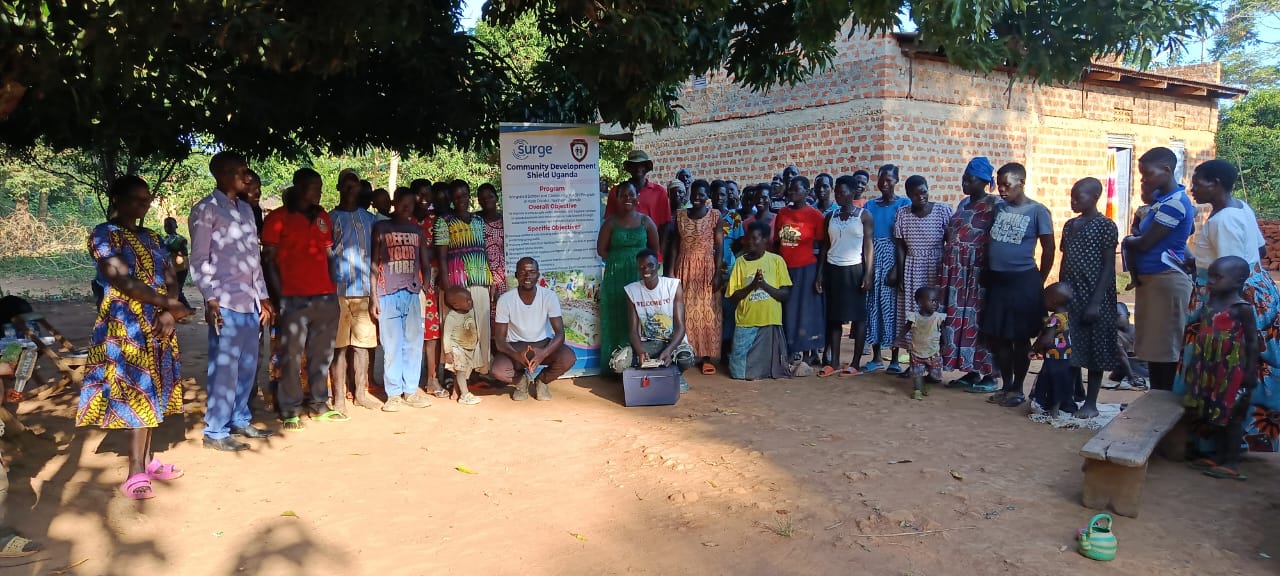
Community dialogue sessions offer residents opportunities to discuss local priorities and practical challenges. Training activities support knowledge-sharing, while savings groups can help communities prepare for the costs of maintaining water infrastructure.
CDSU also engages village health teams and local government departments, seeking to connect community initiatives with public services. The emphasis is on keeping technical knowledge and decision-making close to the people who rely on these facilities.
The future is measured in years, not opening ceremonies
CDSU plans to develop its Healthy Homes, Healthy Futures approach, connecting school hygiene with household follow-up. Its priorities include improving sanitation provision in schools, supporting access to soap and water, and encouraging local community health champions.
Long-term functionality remains a central test. Maintenance funding, local technical capacity and sustained participation will influence whether water points continue to serve households after the initial construction work is complete.
In Northern Uganda, where safe water is closely connected to health, education and economic opportunity, the most meaningful result is not simply a new facility. It is a service that communities can continue to depend upon.