

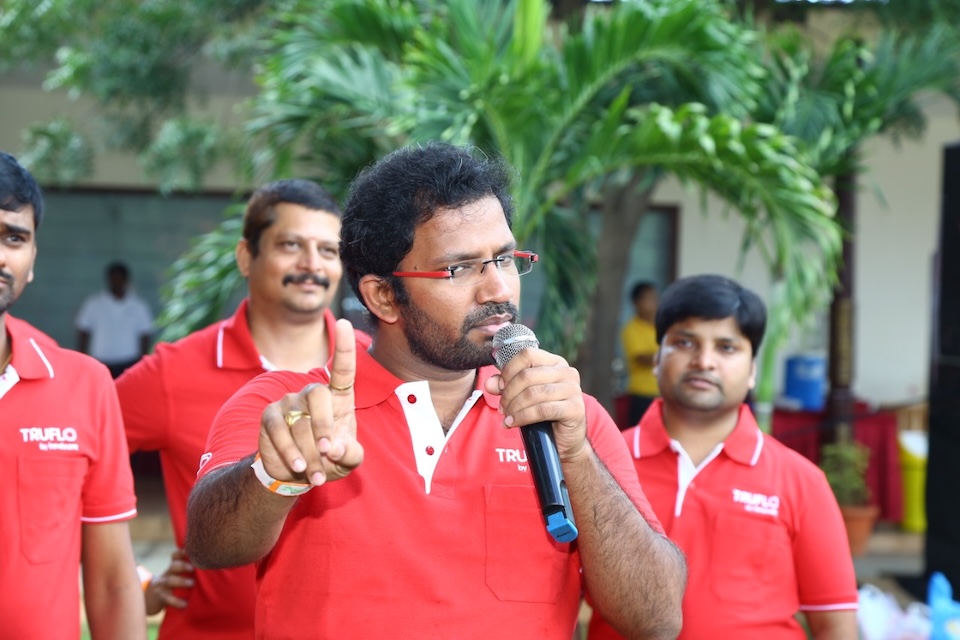
A customer story or a failure, rather than the numbers, became the starting point for leadership meetings. For E Varun Kumar Reddy, changing that opening was a practical way to bring the purpose of the business into the room before the discussion turned to performance. It also gave an abstract idea, workplace culture, a place in the working day.
Reddy, Head HR – Pipes Business at Hindware Limited, approaches culture through the choices people are able to make. Alongside the change to meetings, Reddy describes giving quality or sustainability leads authority to stop a product or dispatch without escalation. Taken together, the two practices connect discussion with responsibility: customer experience receives attention, and a designated function has permission to intervene.
The setting is a building-products business. Hindware Limited’s portfolio includes plastic pipes, fittings and overhead water storage tanks under Truflo by Hindware. Reddy’s work sits at the intersection of people development and the operational demands of that business, covering talent acquisition, employee engagement, performance management and leadership development.
Listening to what goes unsaid
The first signal that culture needed attention was silence. Reddy noticed what people avoided discussing, rather than simply what they said. In that reading of organisational life, an absence of disagreement is not necessarily evidence that a team is working well. Important information can remain unspoken while the organisation continues with its formal routines.
Reddy’s concern was the consequence for execution. A strategy depends on people identifying problems, exercising judgement and taking responsibility. If the habit is to wait for instructions, those expectations become difficult to fulfil. Listening for hesitation became a starting point for understanding the connection between business requirements and the experience of employees.
An unexpected departure by a functional head made the issue immediate. A season was approaching, new ventures were planned and the team was waiting for direction from above. Reddy recalls recognising that the business could not simply put decisions on hold until a formal recruitment process had run its course. The episode sharpened the importance of leadership readiness when a team could not rely on its usual chain of direction.
Giving values a practical role
Reddy’s response to culture extends beyond statements of intent. Beginning a leadership meeting with a customer experience or a failure changes the material leaders consider first. It places a consequence of the organisation’s work alongside its commercial priorities and creates an opportunity to discuss the decisions behind that consequence.
The authority to stop a product or dispatch addresses a different part of the same problem. It gives responsibility a practical expression in the workflow. Reddy describes that authority as belonging to quality or sustainability leads without an additional escalation step. The significance lies in where the decision can be taken, rather than in a general promise that standards matter.
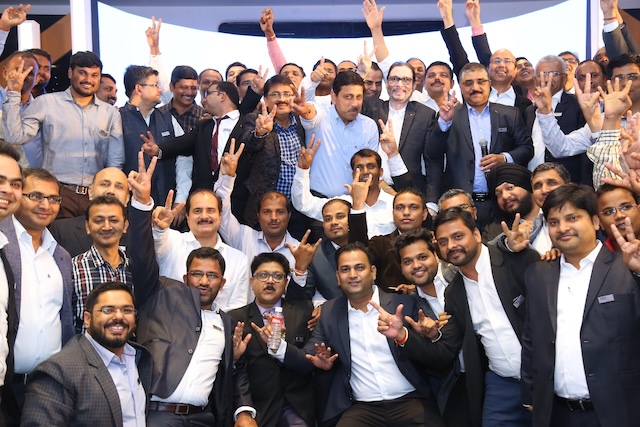
These examples explain the emphasis on lived values in Reddy’s approach. A principle becomes relevant to culture when it affects a meeting, a decision or the scope of someone’s role. The work is therefore concerned with everyday behaviour as well as the policies that frame it.
Preparing people for responsibility
Talent development provides another route into that work. Reddy has introduced frameworks for identifying talent, designing development programmes and planning succession. The intention is to connect employees’ development with the capabilities the organisation needs, giving people preparation for responsibility rather than treating a vacancy as the first moment to consider future leadership.
Digital platforms and analytics are also part of Reddy’s HR remit, alongside partnerships with business leaders on team restructuring and change management. These activities bring people decisions into the wider discussion of organisational effectiveness. In Reddy’s view, HR leaders need to understand how the business makes decisions and use data to make their own contribution to those discussions clearer.
That view does not remove the tension between organisational objectives and employee needs. It makes the balance a central responsibility of the role. Reddy’s professional motivation combines people development with organisational growth, with particular attention to leadership capability, inclusion and continuous learning.
Keeping the human touch
Reddy is a GreenSignature® Global Impact Honouree in the category Building Strong Workplace Culture (People & Culture). The contribution brings together talent development, succession planning, HR digitisation and organisational effectiveness. The editorial interest lies in how those areas connect through decisions that employees and leaders encounter in practice.
For Reddy, the future of HR involves a larger role in shaping the business, informed by workforce insight and grounded in people’s needs. That ambition is accompanied by a straightforward instruction: “Finally, never forget to have a human touch in all your works.”
The line returns the discussion to the individual experience within an organisation. Leadership preparation, decision-making authority and attention to customer consequences are different parts of the same effort to make culture operational. Reddy’s approach places its meaning in the actions people can take, and in the responsibility leaders give them to act.